Hebrews 11:1 Meaning: Faith When You Can’t See the Way (KJV & NIV)

What is the meaning of Hebrews 11:1?
Hebrews 11:1 means that faith is confident trust in what God has promised. It treats the things we hope for as certain and the things we cannot see as real, because God is the one who promised them. It is not wishing hard or pretending. Faith rests on God’s word, and the rest of Hebrews 11 shows it at work in Abel, Noah, Abraham, Moses and others.
The meaning of Hebrews 11:1 is about having confidence and hope in the promised word of God as revealed to you. It is taking God at His words, knowing that He is too faithful to fail and cannot lie (Hebrews 6:18). Faith is the most potent force in the whole universe that opens impossible doors, because all things are possible with God.
What does Hebrews 11:1 say in the KJV and NIV?

Hebrews 11:1 KJV (King James Version) says, “Now faith is the substance of things hoped for, the evidence of things not seen.” The NKJV reads the same. Hebrews 11:1 NIV (New International Version) says, “Now faith is confidence in what we hope for and assurance about what we do not see.”
The ESV says, “Now faith is the assurance of things hoped for, the conviction of things not seen.” “Confidence” and “assurance” describe what the KJV calls the substance of faith; “assurance” and “conviction,” its evidence.
Table of Contents
- What is the meaning of Hebrews 11:1?
- What does Hebrews 11:1 say in the KJV and NIV?
- What does “faith is the substance of things hoped for” mean?
- What does “the evidence of things not seen” mean?
- What is the context of Hebrews 11?
- Hebrews 11: the faith chapter and its heroes
- How can I apply Hebrews 11:1 to my life?
- Hebrews 11:1 FAQ
- Who wrote Hebrews 11:1, and when was it written?
- Is Hebrews 11:1 a definition of faith?
- Does Hebrews 11:1 mean God will give me whatever I believe for?
- Bible verses related to Hebrews 11:1
What does “faith is the substance of things hoped for” mean?
“Faith is the substance of things hoped for” means faith is the reality of what we expect. Faith is a gift from God, and it gives believers the grace to withstand trials and temptations when the need arises.
Other translations say “confidence” (NIV), “assurance” (ESV) or “reality” (NLT). The Greek word means a firm foundation, and some ancient papers used it for a title deed: proof that a property is yours before you move in. Faith holds God’s promise that way.
What then is hope? Hope simply means an expectation of what is to come. Our hope is in Jesus, the way to the Father, for without Him, we have no hope.
What does “the evidence of things not seen” mean?
“The evidence of things not seen” talks about the reality of those things that cannot be discerned with our physical eyes. The Greek word for “evidence” is elenchos, a proof that settles a question. Faith takes God’s word as that proof, so the believer is convinced before seeing.

II Corinthians 5:7 tells us that “For we walk by faith, not by sight.” If we can see God, then we do not need faith to believe in Him. Man says ‘seeing is believing,’ but in God’s kingdom it is ‘believing before seeing.’
We cannot live by faith without knowing God’s word, for faith comes by hearing it (Romans 10:17). His words will always come to pass.
What is the context of Hebrews 11?
The context of Hebrews 11 is to warn and encourage the people (Hebrews) facing trials to maintain their faith in God and not to return to their old ways. Its first readers were Jewish Christians who had been insulted and had their goods taken for their faith (Hebrews 10:32-34), and some were tempted to give up. Chapter 10 ends, “But we are not of them who draw back unto perdition; but of them that believe to the saving of the soul” (Hebrews 10:39), and chapter 11 shows that faith in action.
Hebrews 11: the faith chapter and its heroes
Hebrews 11 is known as the Faith Chapter. After defining faith, the writer says that by it “the elders obtained a good report” (Hebrews 11:2), and that through faith “we understand that the worlds were framed by the word of God” (Hebrews 11:3).
Then come the people who lived this way. Noah was warned of God of things not seen as yet, and he built the ark anyway (Hebrews 11:7). Abraham obeyed when God called him to leave home, not knowing where he was going, and lived in tents in the land God had promised him (Hebrews 11:8-9). Sarah received strength to conceive when she was past age, because she judged Him faithful who had promised (Hebrews 11:11). Abraham’s faith went further still: when God told him to offer Isaac, the son of the promise, he obeyed, “accounting that God was able to raise him up, even from the dead” (Hebrews 11:17-19; Genesis 22). Each of them acted on a promise before they could see it fulfilled, which is Hebrews 11:1 lived out. You can read more of these accounts in our Bible stories about faith.

Hebrews 11:6 explains why faith matters so much: “But without faith it is impossible to please him: for he that cometh to God must believe that he is, and that he is a rewarder of them that diligently seek him.” Many never saw the promise in their lifetime: “These all died in faith, not having received the promises, but having seen them afar off” (Hebrews 11:13). Yet God has provided something better for us (Hebrews 11:39-40), and our eternal home is with Him, as these Bible verses that describe heaven show.
How can I apply Hebrews 11:1 to my life?
Hebrews 11:1 can be applied to my life by having absolute trust in God. Faith is referred to as a substance: something real, not a feeling nor an imagination.

The New Testament says it three times: “the just shall live by faith” (Romans 1:17, Galatians 3:11, Hebrews 10:38). All three quote the prophet Habakkuk, who heard it from God while waiting for an answer that had not come yet: “though it tarry, wait for it” (Habakkuk 2:3-4). Our faith must be strong and alive to receive anything from God.
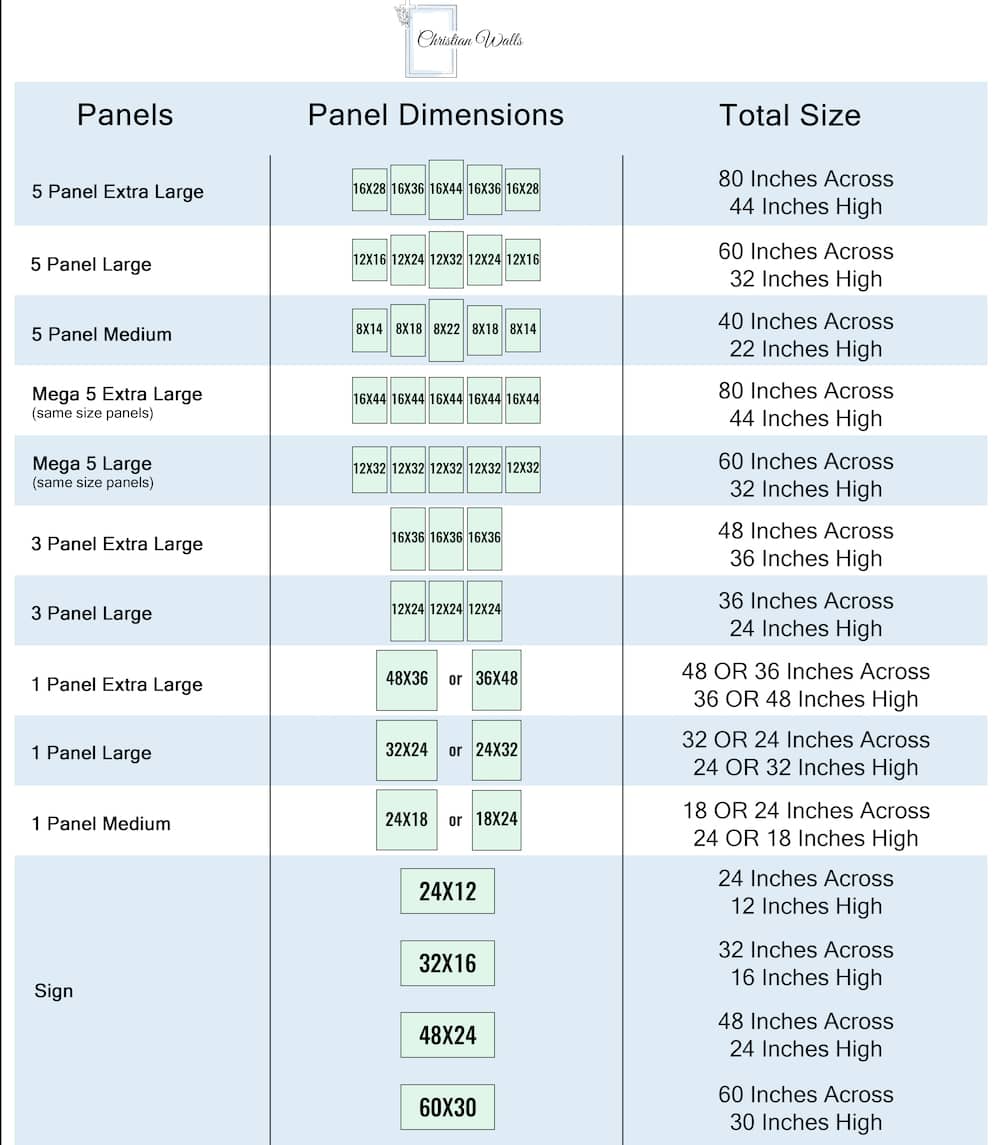
Many people keep Hebrews 11:1 where they will see it every day. Our Hebrews 11:1 wall art was made for that.
Hebrews 11:1 FAQ
Who wrote Hebrews 11:1, and when was it written?
The Letter to the Hebrews doesn’t name its author. Many credited it to Paul the Apostle, others to Barnabas or Apollos, and most scholars say the writer is unknown. It was probably written before AD 70, since it speaks of temple sacrifices as still being offered (Hebrews 10:1-2), though some date it later.
Is Hebrews 11:1 a definition of faith?
It is the closest the Bible comes to one, but it describes what faith does more than it gives a dictionary definition. The verse tells us what faith holds on to: it treats the future God has promised as real now, and it is convinced of things it cannot see. It does not list everything faith is. That is why the writer moves straight into examples. Abel, Noah, Abraham and Moses show faith trusting God, obeying Him and waiting on the Lord (Isaiah 40:31), so the rest of Hebrews 11 defines faith by example.
Does Hebrews 11:1 mean God will give me whatever I believe for?
No. Faith holds on to what God has promised, not to whatever we hope for. Some teach that enough faith guarantees healing or wealth, but Hebrews 11 answers that itself. Some believers were delivered, while “others were tortured, not accepting deliverance; that they might obtain a better resurrection” (Hebrews 11:35). Of all of them it says they “received not the promise” in this life (Hebrews 11:39). Their faith was not weak. They trusted God for what was still ahead.
Bible verses related to Hebrews 11:1
John 20:29

“Jesus saith unto him, Thomas, because thou hast seen me, thou hast believed: blessed are they that have not seen, and yet have believed.” John 20:29 Thomas would not believe the other disciples until he could see and touch the risen Jesus for himself (John 20:24-28). When Jesus appeared to him, He blessed everyone who would come after: people who believe without seeing. That is the “evidence of things not seen” in Hebrews 11:1, and it describes every believer today.
SHARE: