Psalm 46:10 Meaning: When Life Feels Out of Control, Be Still (KJV)

What is the meaning of Psalm 46:10?
Psalm 46:10 means: stop fighting, let go, and recognize that God is God. In the psalm, God speaks these words over a world at war. He tells the raging nations to lay down their weapons, and He tells His own people to stop panicking, because He is their refuge and He will be honored over all the earth.
Regardless of our situations, God is greater. He created us and knows our capabilities. He is telling us not to worry or panic over things we can’t control. We must cease striving in the energy of the flesh and recognize that He is God. To “know” here is more than knowing a fact about God; it is knowing Him by experience and trusting Him.
What does Psalm 46:10 say in the KJV?

Psalm 46:10 KJV (King James Version) says, “Be still, and know that I am God: I will be exalted among the heathen, I will be exalted in the earth.” In the KJV, “heathen” means the nations, which is how most modern translations put it.
Table of Contents
- What is the meaning of Psalm 46:10?
- What does Psalm 46:10 say in the KJV?
- What is Psalm 46 about?
- Who is God speaking to, and what does “be still” mean?
- What does “I will be exalted among the heathen” mean?
- Psalm 46:10 FAQ
- Does “be still” mean do nothing?
- Who wrote Psalm 46:10?
- When was Psalm 46 written?
- What is a Psalm 46:10 prayer?
- Bible verses related to Psalm 46:10
What is Psalm 46 about?

Psalm 46 is about God being our stronghold in times of need. It opens, “God is our refuge and strength, a very present help in trouble” (46:1), and then pictures the worst that could happen: the earth removed and the mountains carried into the sea. Even then, “will not we fear” (46:2). Psalm 91 sings of the same thing: finding refuge in the shadow of the Almighty.
Between the roaring sea and the burning chariots, the psalm stops at a quiet picture: “There is a river, the streams whereof shall make glad the city of God” (46:4). Jerusalem had no great river, only a spring. Verse 5 explains what the river is: “God is in the midst of her; she shall not be moved.” The waters that roar in verse 3 cannot reach the river that makes the city glad.
The psalm has three parts, each ending with “Selah,” a word that probably marks a musical pause, though its exact meaning is uncertain. Twice it repeats the refrain, “The LORD of hosts is with us; the God of Jacob is our refuge” (46:7, 11). Just before verse 10, the psalmist invites us to look at what God does: “He maketh wars to cease unto the end of the earth; he breaketh the bow, and cutteth the spear in sunder; he burneth the chariot in the fire” (46:9). Martin Luther’s hymn “A Mighty Fortress Is Our God” is based on this psalm.
Who is God speaking to, and what does “be still” mean?
In verse 10 the voice changes: the psalmist has been speaking about God, and now God speaks. Coming straight after verses 8-9, His first audience is the nations that “raged” against His people (46:6): stop your fighting; enough. The command is also for His people, who have watched the mountains shake and need to stop panicking.
Chariots were the strongest weapons of the day, and nations trusted in them. Another psalm says, “Some trust in chariots, and some in horses: but we will remember the name of the LORD our God” (Psalm 20:7). In Psalm 46 God burns the very chariots people trust in, and then says, “Be still.”

The Hebrew word behind “be still” means to let go, to relax your grip, to stop. That is why the NASB translates it “Cease striving.” It is not first a call to sit in silence. It is a call to drop the weapons, the worry and the effort to save ourselves, and to recognize who God is.
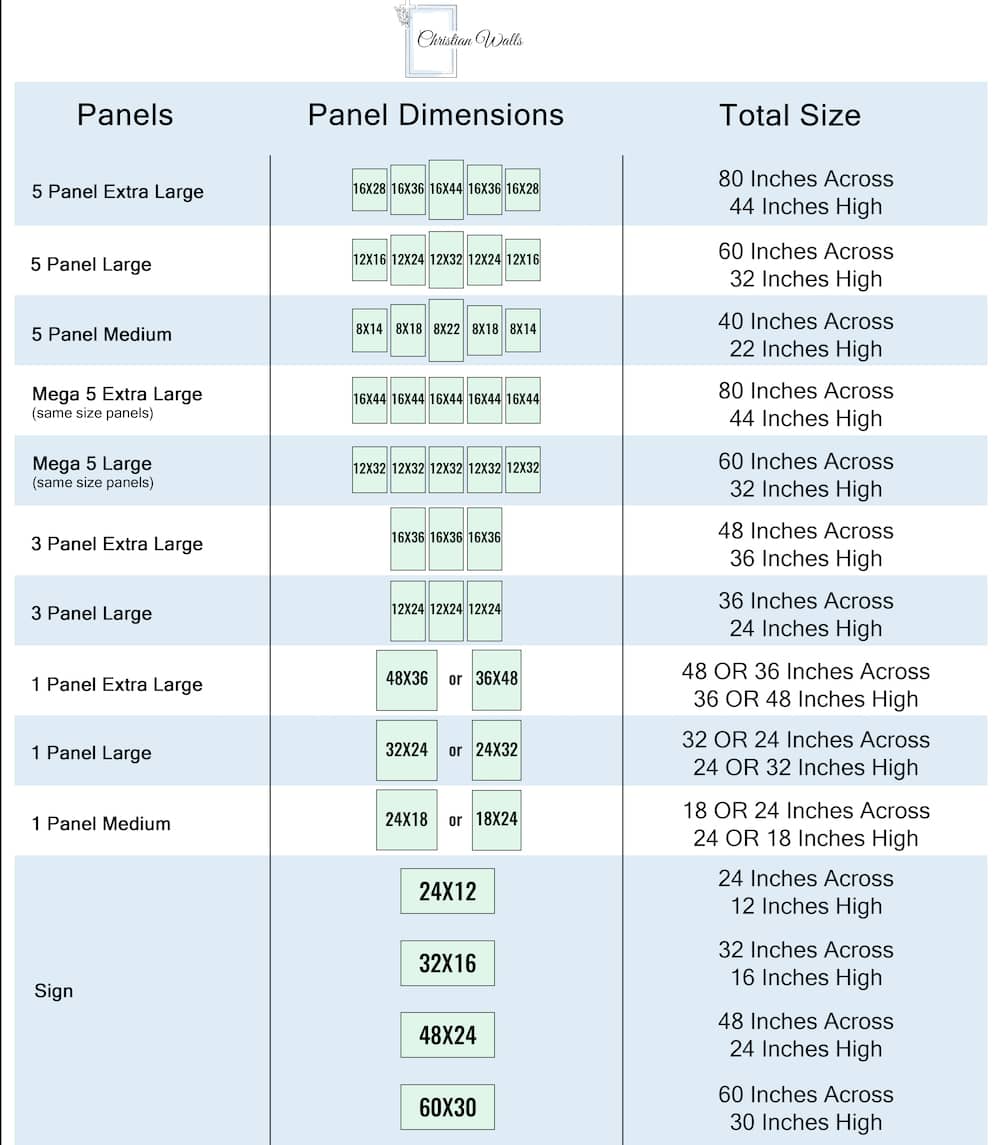
This verse is a command. It’s telling us to stop fighting the battle we cannot win on our own. God wants us to stop overstretching ourselves over the battles of life, or over things that only He has the power to overturn, and to have confidence in Him. Many people keep these words where they will see them every day, like our “Be Still and Know That I Am God” wall art.
What does “I will be exalted among the heathen” mean?
“I will be exalted among the heathen” is talking about the result of God’s victory over every battle. He will be acknowledged as the mighty man in battle, with nations giving reverence to God for His wondrous acts in their midst. Psalm 57:5 says, “Be thou exalted, O God, above the heavens; let thy glory be above all the earth.”
Psalm 46:10 FAQ
Does “be still” mean do nothing?
No. A common misunderstanding of Psalm 46:10 is that to be still means being silent, relaxing, or folding your hands and doing nothing while in distress, because God is our refuge. Any faith that leaves God absolutely responsible is irresponsible; faith without works is dead (James 2:26). Neither is it mainly a verse about quiet time, good as quiet prayer is. Being still means you stop trying to be God.

As humans, we treat anxiety and worry as normal, as if they will make things better. God is asking us to give up on anxieties and worries and rest in His strength. We need not play God but cast our fears, worries, and anxieties on Him. He assured us, “Fear thou not; for I am with thee,” which is Isaiah’s promise that God is with us (Isaiah 41:10).
Who wrote Psalm 46:10?
Psalm 46 is titled “for the sons of Korah,” a family of Levites who served as singers in the temple. Their ancestor Korah led a rebellion against Moses, and the earth opened and swallowed the rebels (Numbers 16). Yet Scripture adds, “Notwithstanding the children of Korah died not” (Numbers 26:11). Generations later, their descendants were leading Israel in worship, and eleven psalms carry their name, including the one that says, “Be still, and know that I am God.” A family that survived God’s judgment learned to sing about His refuge.
When was Psalm 46 written?
The psalm does not say. Many commentators connect it with the night the LORD saved Jerusalem from the Assyrian army of Sennacherib in Hezekiah’s day. God promised the king of Assyria would not “shoot an arrow there,” and the army was struck down without a battle (2 Kings 19:32-35). That fits a God who “breaketh the bow” (46:9), but it is a reasonable guess, not something the text states.
What is a Psalm 46:10 prayer?
Father, in the name of Jesus, help me to let go of my fears and worries. Release me from every attempt to do things by myself. May I remain calm in every situation or setback I find myself in. Help me to be still and rest in Your power. Amen.
Bible verses related to Psalm 46:10
2 Chronicles 20:15-17
“Be not afraid nor dismayed by reason of this great multitude; for the battle is not yours, but God’s… Ye shall not need to fight in this battle: set yourselves, stand ye still, and see the salvation of the LORD with you.” 2 Chronicles 20:15, 17 When a vast army came against King Jehoshaphat, God told him to stand still and watch. The Levites, including the sons of Korah, stood up to praise God before the battle (20:19), and the enemy armies turned on each other. It is Psalm 46:10 in action.
Exodus 14:13-14

“Fear ye not, stand still, and see the salvation of the LORD, which he will shew to you to day… The LORD shall fight for you, and ye shall hold your peace.” Exodus 14:13-14 At the Red Sea, with Pharaoh’s army behind them, Israel could not save themselves, and God fought for them. Yet being still was not doing nothing: God then told them to “go forward” through the sea He had opened (14:15).
SHARE: